
Event
Ethno-Graphics: Ancient Cultures in a Modern WorldPost an Event »
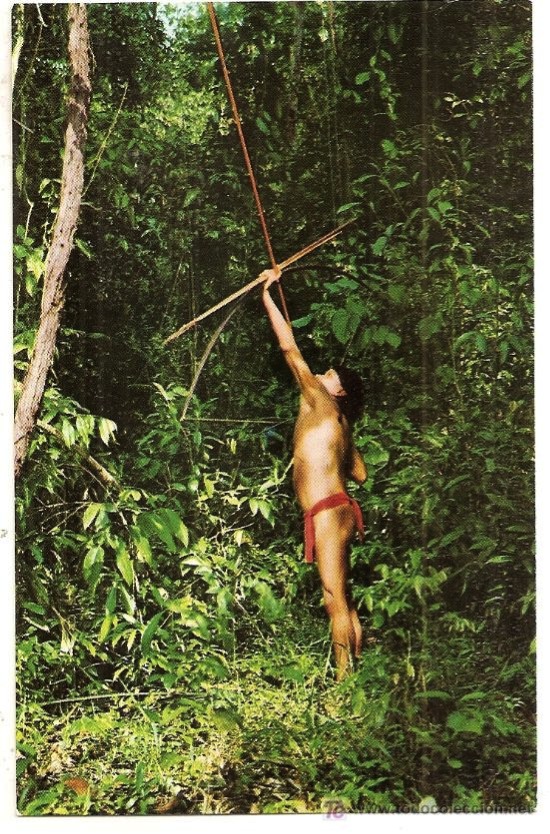
Oddball Films and archivist/guest curator Scotty Slade bring you Ethno-Graphics: Ancient Cultures in a Modern World , a showcase of ethnographic films from our incredible collection of 16mm prints. Shamelessly inspired by the BBC’s remarkable series, Human Planet, this program explores the miraculous ability of humans to adapt to their environment and derive what they need from their immediate surroundings. By focusing on people who continue to live as their ancestors have lived for hundreds and thousands of years, these films look at the multifarious ways in which we relate to and form culture from our surroundings. Margaret Mead’s 1952 film First Days in the Life of a New Guinea Baby brings us into the most intimate days between a mother and her newborn child, and introduces us to the early ethnographic genre by one of the most influential anthropologists of our time. Making our way west, we scale the Himalayas in Sherpa High Country (1977), an almost psychedelic film about the Sherpas of the Solu Khumbu highlands in Nepal. Crossing the Asian continent to Africa, we’ll come down in elevation to the highlands of Mali, in Hunting Wild Doves (1967) with the Dogon people. From there, we’ll get drier and drier in Desert People (1970), a two part film about the Tuaregs (whose incredibly rocking electrified music has swept the globe in recent years), a nomadic people of the Sahara, and the Rajputs, the cultivators of the Great Indian Desert. From there, we’ll jump across the Atlantic to Venezuela. Indians of the Orinoco (1972) gives us the chance to meditate in great detail on the process by which blow darts and dart guns are fashioned and used in the jungle. Finally, we’ll fly all the way to the Eskimo Hunters of Northwestern Alaska, and learn the ways of the frozen landscape, in this bizarre, dreamy, almost Chick Strand-ian documentary film made in 1949. So come celebrate the majesty of humanity, our relationship to the natural world, and our ongoing struggle to support the rights of indigenous peoples to maintain their ways of life.