
Event
Strange Sinema 106 - Computeresque: Experiments With Light + TechnologyPost an Event »
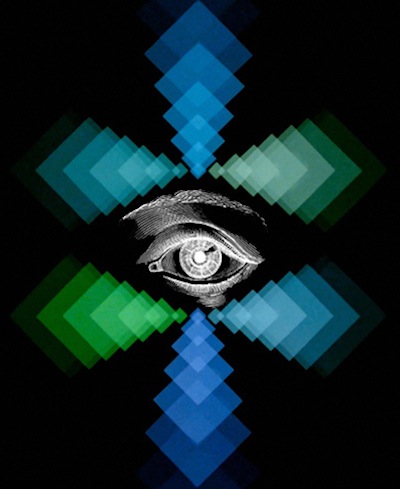
Oddball Films presents Strange Sinema, a monthly evening of old finds, rare gems and newly discovered films from the stacks of the archive. Drawing on his collection of over 50,000 16mm film prints-the largest archive in Northern California, Oddball Films director Stephen Parr has compiled his 106th program of offbeat, quirky, experimental outtakes and unusual films. Strange Sinema 106: Computeresque: Experiments With Light + Technology, a program of films examining the early use of light and computers in cinema featuring pioneers of computer-generated art. The centerpiece of the program is based around a selection of Whitney films, innovators of cinematic computer technologies featuring motion graphics pioneer John Whitney Sr. and brother James and son Michael's work, all profoundly audacious and inspiring in their fluidity, motion and spiritual subtext. John Whitney created some of the first computer-generated animation and motion graphics and Catalog (1961) is his remarkable demo reel of work created with his analog computer/film/camera machine he built from a WWII anti-aircraft gun sight. We follow that with Whitney’s Arabesque (1975), a legendary masterpiece of shimmering, oscillating waves set to the music of Persian composer Maroocheher Sadeghi. Experiments in Motion Graphics (1968) once again features early computer motion graphics by John Whitney and a discussion of the computers prospect as an art making tool. Michael Whitney's Binary Bit Patterns (1969) is a hypnotic psych-folk audiovisual experience that suggests a secret symbiosis between the digital and the organic as various Eastern graphic permutations appear, dissolve and undergo metamorphoses on the screen. Lapis (1965), made by a spiritualized James Whitney (one of only 7 films he created) and one of the most accessible experimental films ever made; Lapis was created with handmade cels evoking a single mandala moving within itself; its particles surge around each other in constant metamorphosis. Various other computer innovators include Gary Demos, the special-effects guru behind Tron and Futureworld who creates a mesmerizing light show in I Had an Idea (1972), the first computer generated music video, Joni Mitchell's Both Sides Now (1972) from animator and Oscar winner John Wilson, Perspectrum (1974), directed by famed Indian animator Ishu Patel with koto music by Michio Miyagi, this animated short conveys a kaleidoscopic sense of perspective, and Dragonfold and Other Ways to Fill Space (1979) created on the Tektronics 4051 Graphics Terminal by Brooklyn filmmakers Bruce and Katharine Cornwell this brilliant computer-generated animation synchronized to rock music provides an introduction to the idea that a one-dimensional line can fill two-dimensional space, Peter Foldes and the National Film Board of Canada bring us the first short made entirely out of computer-generated animation Hunger (1973); a dazzling and dark nightmare of metamorphosing images that gives new meaning to "eat the rich", and Incredible Machine (1968) from Bell Labs, this film previews early developments in computer-assisted imagery, electronic music, and voice processing. Plus! Hypothese Beta (1967), an Academy Award nominated film featuring an isolated computer punch card who creates chaotic and deadly disorder!