
Event
Visions of Dystopia: Cinema of DarknessPost an Event »
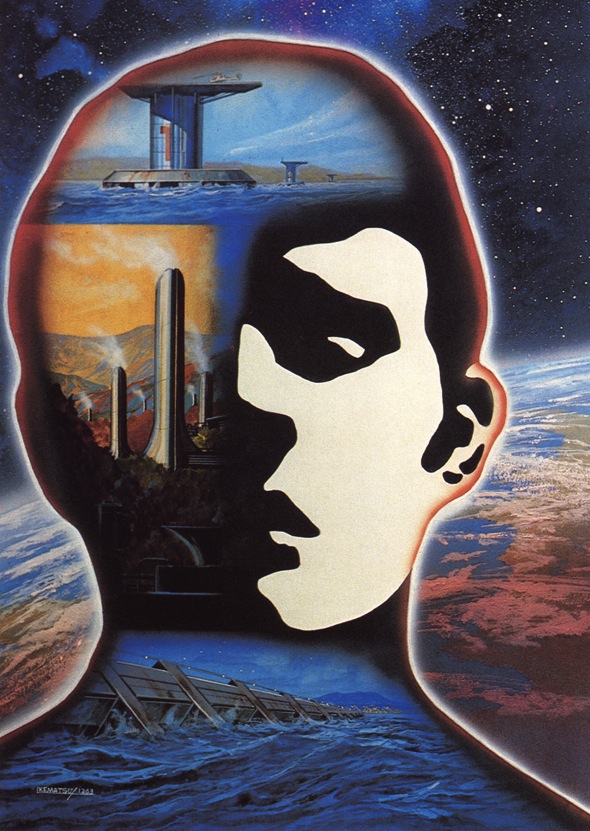
Oddball Films presents Visions of Dystopia, an evening of mind-bending short films that transport us into alternate realities; be it the bleak future, or a dark and dangerous fantasy realm. Based on a Ray Bradbury story and directed by the legendary Saul and Elaine Bass, Quest (1984) is one boy's jaw-dropping journey to save an entire race before he outlives his 8 day lifespan. West Coast experimental filmmaker Donald Fox’s exhilaratingly beautiful optical poem Omega (1970) deals with the end of mankind on earth through mind-bending visuals. Chris Marker's enduring sci-fi experiment La Jetee (1962) utilizes still images to portray a post-apocalyptic world of time-travel, torture and lost love. Polish director Jan Habarta's dystopian masterpiece No. 00173 (1967) will blow your mind with it's eery depiction of a grim, Kraftwerkian factory, momentarily brightened by a colorful butterfly. Trends (1967) is a light, ani mated interpretation of the possible ridiculous trends of the future by Oscar-nominated Hungarian animator Marcell Jankovics. Plus, a surprise bleak futurist film from a juggernaut of science fiction, Post-Apocalyptic Trailers and early birds will be treated to three alternate versions of The Future (1980) and (spoiler alert!) they're all bad. This imagined future's so dark, you better leave your shades at home.
Admission: $10.00 Limited Seating RSVP to programming@oddballfilm.com or (415) 558-8117
Saul Bass collaborated with the likes of Alfred Hitchcock, Stanley Kubrick, Martin Scorsese, Otto Preminger, and John Frankenheimer, creating an astonishing body of iconic title sequences. Among the most celebrated are those for Vertigo, Psycho, North by Northwest, Seconds, Man with a Golden Arm, Anatomy of a Murder, Bunny Lake is Missing, Casino, Goodfellas, The Age of Innocence, Spartacus (though even this list constitutes less than a fourth of the total number of his titles). Bass’s sequences realized the potential of the medium, transforming title sequences from obligatory lists of personnel into portholes that suck the viewer into the atmosphere of the film, announcing its style, mood, and often its themes, too. These sequences didn’t merely supplement the films they served, they enhanced them, are essential components of them.