(faltering to extinction)
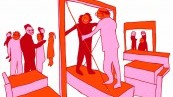
By Vivian SmingWhat does it mean to no longer be able to speak, whether due to the disappearance of one’s language, or due to the erosion of public discourse in today’s atmosphere?
More »

Lisa: All through history, self-anointed seers have predicted the end of the world, and they've always been wrong.Homer: But sweetheart, I have something they didn't have: a good feeling about this!
It’s 2019, and the world is ending.
The Doomsday Clock points two minutes to midnight. One million species are threatened with extinction. As the climate crisis escalates and the sixth mass extinction approaches, we are not only thinking through all the things that are coming to an end, but also business-as-usual behaviors being called to end. In the field of art, movements are growing throughout the world, calling for the end of putting artists on pedestals with disregard for their behaviors and actions; an end to receiving support from individuals who profit off the harm of others; and an end to institutional systems that exploit the labor of artists, educators, curators, and other arts workers alike. This fall, as fires burn in and around our homes in California, we have asked writers to contribute to ideas around different forms of ends to critically twist the doomsday narrative into one of possibility and futurity.
What does it mean to no longer be able to speak, whether due to the disappearance of one’s language, or due to the erosion of public discourse in today’s atmosphere?
More »
Sunn O))) refuses the normative tenets of music, they refuse rhythm, lyrics, words, language. Acutely, dangerously, fugitively, they refuse time itself.
More »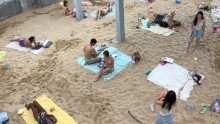
The 2019 Venice Biennale feels like the end of everything: the end of art tourism, the end of vacations, the end of the beach and the climate of pleasure.
More »
An investigation of the speculative fiction of Samuel R. Delany’s Stars in My Pocket Like Grains of Sand and his intergalactic visions of post-apocalyptic race, gender, and sexuality.
More »
Drawing from cinematic engagements with the histories of the 1970s and '80s, the writer turns to embassies, in particular the abandoned Iranian embassy in Washington, D.C., to imagine a world without states and borders.
More »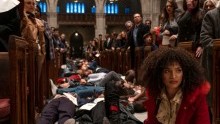
One way we can read the continued activism of ACT UP, the expansive and multidisciplinary work of curator-activists like ted kerr, and the re-presentation of historic events in popular culture like Pose, is in an effort to reposition and recontextualize “AIDS of the past” as firmly within, and integral to understanding, “ongoing AIDS.” The work is not yet done. AIDS, it turns out, is far from over.
More »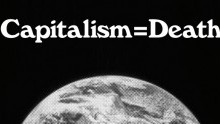
In climate organizing, it is necessary to decenter the future of an imagined, ideal nuclear family, and address the realities of climate violence and its most vulnerable subjects.
More »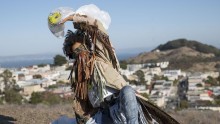 By Karen Cheung
The project of inclusion is painful. It is the contending of deeply rooted structures that our bodies do not and cannot conform to.
Advice and resources to inspire and empower current and future generations of artists in developing creative, ethical, and sustainable ways of engaging with the public.