Shotgun Review
The Guantanamo Bay Museum of Art and History
October 27, 2013On View
Worth Ryder Art Gallery
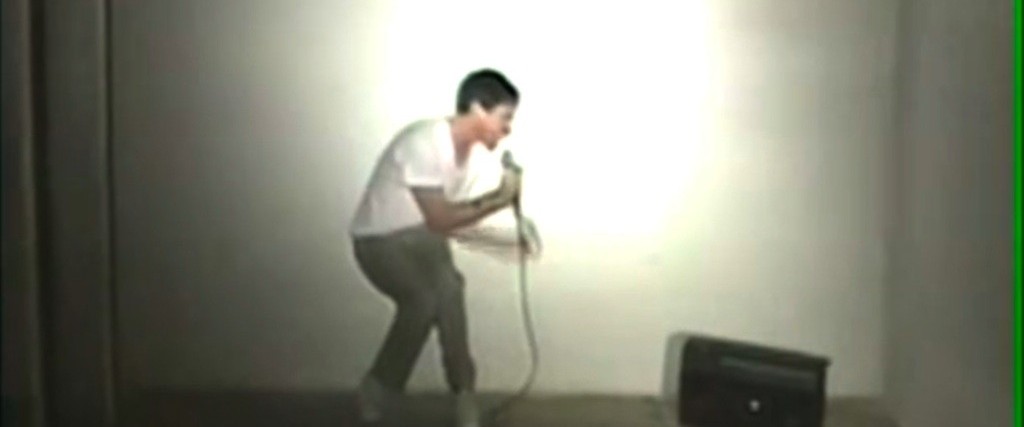
September 25 - October 19, 2013 Art Practical PickThe Guantanamo Bay Museum of Art and History posits that the eponymous detention facility on the U.S. military base in Cuba closed permanently in 2012, and a museum subsequently opened on its premises. The fictive museum, conceived and created by Ian Alan Paul, intends to "remember the human rights abuses that occurred while the prison was in operation."1 The Guantanamo Bay Museum of Art and History Satellite Exhibition curated by Paul and recently on view at the Worth Ryder Art Gallery of the University of California, Berkeley included works that evoked the awe, indignity, and sorrow of the Guantanamo Bay Detention Facility (Gitmo). For example, in Adam Harms's Performing the Torture Playlist (2012), amateur performers sing karaoke-style renditions of the American pop songs used to torture Guantanamo prisoners.2 While such constituent works of the Guantanamo Bay Museum of Art and History are compelling, they are not predicated on nor directly address the supposed closure. Instead, they feel more relevant to a prison that's still active than to its remembrance.
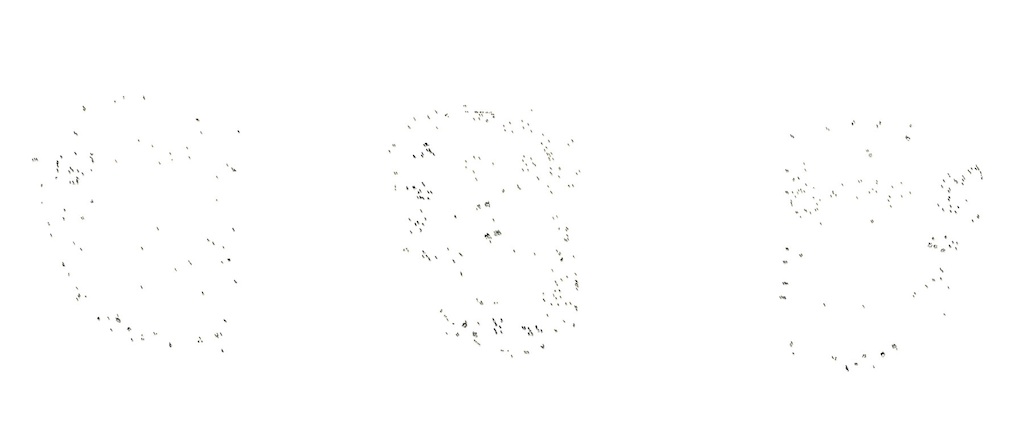 Jenny Odell. All the People in Centinela Federal Prison, 2012; digital print; 64 x 28 in. Courtesy of the Guantanamo Bay Museum of Art and History.
Museums that memorialize tragedy are rhetorical spaces that rely on certain tropes to elicit our emotions and reinforce the horrible circumstances of a particular catastrophe, event, or time period. Exhibition designers transmute mundane objects into relics, weighting them with history.3 The Guantanamo Bay Museum of Art and History, which exists as a website and as satellite exhibitions, lacks the emotional artifacts that substantiate tragedies in our national imagination. Nor does it engage in the hagiography that we anticipate from such sites: framed quotes from heroic leaders, statues and portraits of victims, or even basic biographic details. Where are the detainees themselves in this museum? (We see only shadows of prisoners in Jenny Odell’s All the People in Centinela Federal Prison [2012].) While the most direct impact of the prison’s closure would be on the 164 detainees still held there, the museum oddly does not address what may happen to them or what has happened to the detainees who have previously been freed.
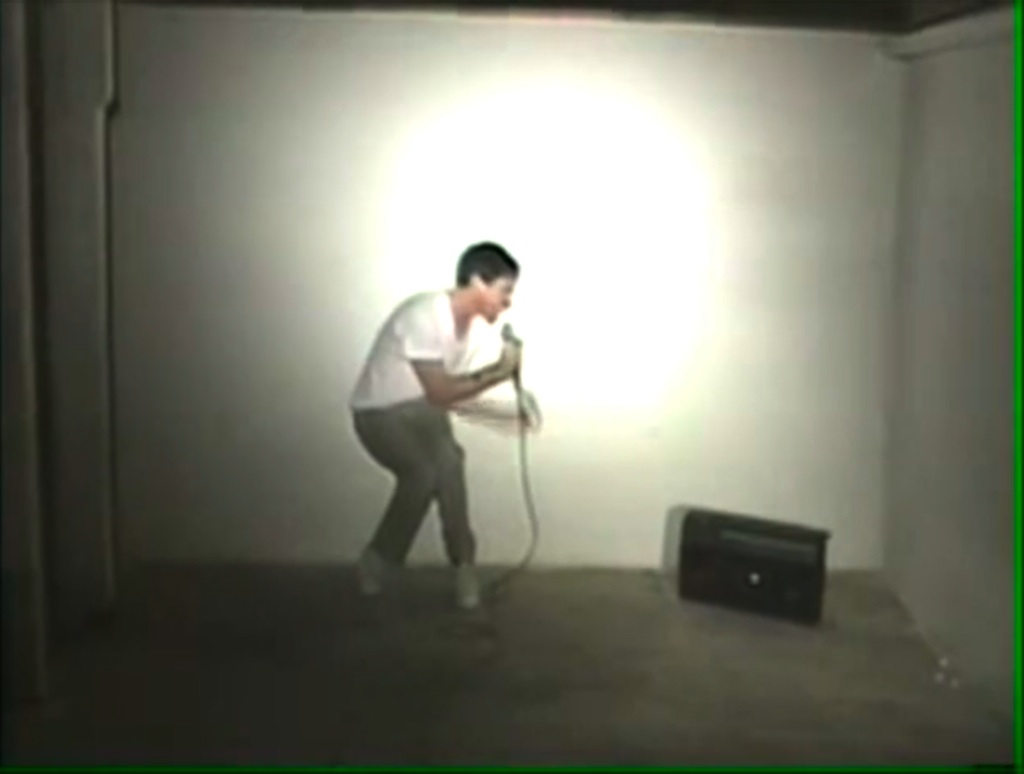 Adam Harms. Performing the Torture Playlist, 2012; found digital video; 59-minute loop. Courtesy of the Artist.
There are many efforts by activists, journalists, and scholars to confront the savagery of Gitmo and the global war on terror in general. The Guantanamo Docket chronicles and humanizes the 779 prisoners. Vice has published Molly Crabapple’s intimate sketches of the detainees and their guards from her trips to Gitmo. On April 21, 2013, the Guardian published a moving op-ed by current detainee Shaker Aamer, detailing his eleven years in detention and the legal Gordian Knot that he's tied in. These attempts are unafraid to confront the materiality of the prison and its terrible impact. They are our testaments to an active institution that the museum cannot commemorate in its aspirational state.
The Guantanamo Bay Museum of Art and History Satellite Exhibition was on view at the Worth Ryder Art Gallery of the University of California, Berkeley from September 25 until October 29, 2013. The Guantanamo Bay Museum of Art and History is an ongoing project.
Guantanamo Bay Museum of Art and History Satellite Exhibition is on view at Worth Ryder Art Gallery, in
Berkeley
, through October 19, 2013.